
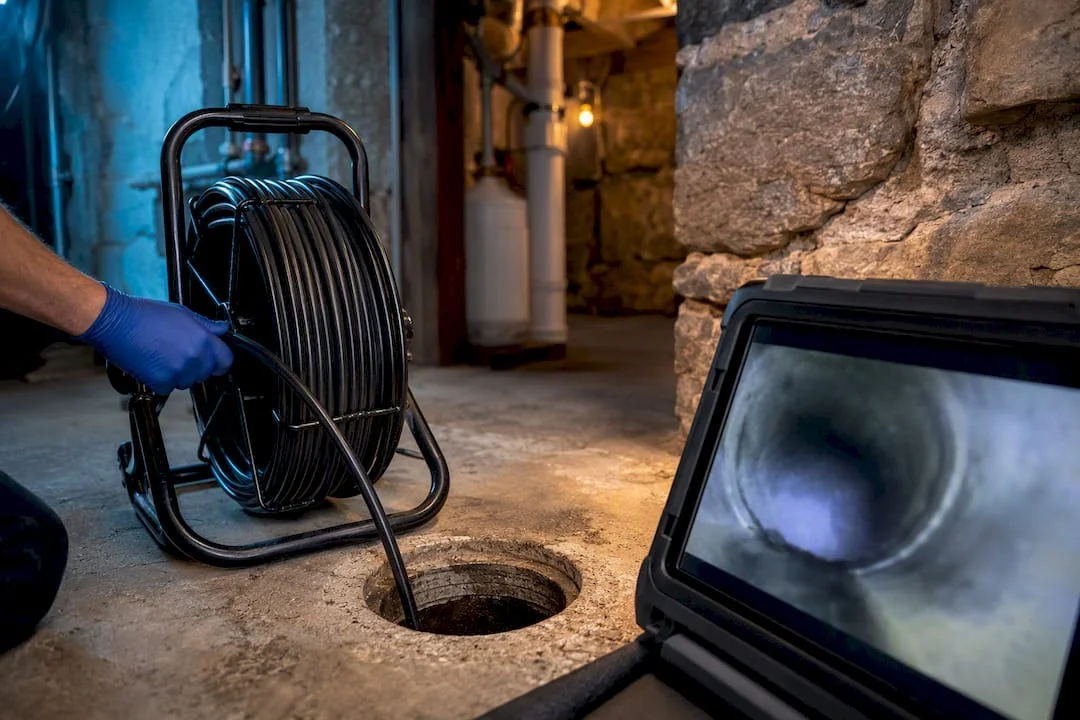
If your sewer keeps backing up, the problem is usually structural, not seasonal bad luck. Stop using water in your home right now, then call a plumber for an HD camera inspection before you authorize another snaking or jetting job. Cleaning clears a symptom; it rarely touches the crack, root mass, or sagging pipe section causing the repeat. Diagnosis first, repair second, is the only path that actually ends the cycle.
TL;DR:
- Repeated sewer backups almost always stem from structural pipe issues like roots, cracks, or sagging, which cannot be solved by cleaning alone.
- A camera inspection is essential before any further snaking or jetting to determine the true cause and avoid recurring problems.
- Repair methods such as CIPP lining or pipe replacement depend on the specific defect’s nature and location, with warranties often backing the most permanent fixes.
- Preventive measures include avoiding flushable wipes, non-recyclable debris, and grease, along with regular maintenance like hydro jetting and camera checks.
- Asking for actual camera footage, work warranties, and repair timelines when hiring a plumber can improve the chances of a lasting solution.
Table of Contents
- What Causes Sewer Backups To Keep Happening
- What To Do Right Now When A Backup Repeats
- How Do Professionals Diagnose A Repeating Sewer Backup?
- Permanent Repair Options For Sewer Lines That Keep Backing Up
- How Can You Prevent A Sewer Backup From Happening Again?
- What Trenchlessmaine Sees In The Field On Repeat Backups
- Why Homeowners Keep Getting This Wrong
- Ready To Stop The Cycle? Here’s What To Ask When You Call
- Sources
What Causes Sewer Backups To Keep Happening
A backup that returns within weeks or months isn’t random. It almost always traces back to one of a handful of physical problems inside the pipe itself, and knowing which one you’re dealing with changes everything about the fix.
Tree roots are the most common repeat offender in older Maine neighborhoods. Roots find their way into pipes through tiny cracks or loose joints, chasing the moisture and nutrients inside. Cutting them out with a mechanical auger clears the line for a while, but the root mass regrows faster than before because the entry point is still open and now slightly larger. Without sealing that access point, you’re paying for the same root removal every year or two.

Grease, wipes, and fibrous debris cause a different kind of repeat problem. Grease cools and hardens against pipe walls, narrowing the channel and creating a rough surface that catches everything that follows. Products marketed as “flushable” do not break down reliably and are a frequent contributor to backups that seem to reappear no matter how often you clean.
Then there’s structural damage that no amount of cleaning can fix:
- Bellies or sags, where a section of pipe has settled into a low spot and permanently traps standing water and solids
- Offset or separated joints, which snag toilet paper and debris even after the line has been cleared
- Cracked, corroded, or partially collapsed pipe, which restricts flow and gives roots a new way in
One more thing worth checking before you assume the fix is on your dime: is the backup happening in your private lateral, or further out in the municipal main? If neighbors on your street are also reporting backups, contact your local utility since some municipalities assist with recurring public-main issues. If it’s isolated to your property, the lateral, and the repair bill, is yours to handle.
What To Do Right Now When A Backup Repeats
A repeat sewage backup isn’t just an inconvenience. It’s a health hazard and a fast-moving property damage claim, and sewer backups can rack up thousands of dollars in damage when they’re left standing.
Pro Tip: Photograph standing water, damaged flooring, and any visible pipe issues before cleanup begins. Insurers and contractors both move faster when there’s a clear record.
- Stop running water anywhere in the house, including laundry, dishwashers, and showers.
- Avoid direct contact with wastewater. If a flooded room has electrical outlets near standing water, shut off power to that area if you can do so safely.
- Move furniture, rugs, and valuables out of the affected space.
- Take photos of the damage for insurance and for the contractor’s own record.
- Call a licensed plumber for inspection and call your insurer to check whether your policy includes a sewer backup endorsement.
- If the water level or smell suggests a shared municipal issue, notify your utility so neighboring properties can be checked too.
A plumber may install temporary containment or a check valve while the permanent fix is scheduled, especially if heavy rain is forecast and you’re dealing with backup after a storm event.
How Do Professionals Diagnose A Repeating Sewer Backup?
Snaking and hydro jetting are cleaning tools, not repair tools. They clear the immediate blockage, but they don’t fix roots, bellies, or cracked pipe, which is exactly why the same problem shows up again on the same schedule.
The reliable way to find out what’s actually wrong is an HD sewer camera inspection, and the process follows a specific order:
- The line gets cleaned or jetted first so the camera has a clear view instead of a screen full of grease.
- A high-definition camera is fed through the pipe, recording footage in real time as it travels.
- The technician watches for root intrusion, sagging sections, standing water, hairline cracks, offset joints, and any partial collapse.
- Footage gets flagged at the exact distance from the cleanout, so any repair crew knows precisely where to work.
Camera inspection is the step that separates a simple buildup from a structural defect. If the footage shows standing water pooling in a low spot, roots re-entering at the same joint, or visible cracking, you’re looking at a repair job, not another cleaning appointment.
Pro Tip: Ask for the actual video file, not just a verbal summary. Footage lets you compare quotes and confirm the diagnosis before you approve any repair work.
Permanent Repair Options For Sewer Lines That Keep Backing Up
Once the camera shows the real problem, the choice narrows to a handful of proven repair methods. Which one fits depends on the defect, its location, and how much of the pipe is affected.
CIPP lining (cured-in-place pipe) works by pulling a resin-saturated liner into the existing pipe and curing it in place to form a new pipe within the old one. It’s suitable for cracks, root intrusion points, and corrosion where the pipe’s basic slope is still intact, and it avoids digging up your yard or driveway. The work is often backed by warranties, so ask what coverage applies before signing anything.
Pipe bursting or full replacement becomes necessary when a section has collapsed or sagged so badly that lining can’t restore proper flow. A pipe belly forms when the soil beneath it settles, and no amount of cleaning removes that low spot; only correcting the slope or replacing the section solves it permanently.
Spot repair targets one localized defect, like a single cracked joint, without relining or replacing the whole run, and it’s usually the cheaper option when the rest of the pipe is sound.
Backwater valves are worth mentioning separately: they’re a protective device that stops sewage from flowing backward into your home during a main line surcharge, but they don’t fix a defect inside your own lateral. Think of a backwater valve as insurance against someone else’s problem, not a repair for yours.
| Repair method | Best for | Disruption level |
|---|---|---|
| CIPP lining | Cracks, root entry, corrosion with stable slope | Minimal, often no digging |
| Spot repair | One isolated defect | Small, targeted excavation |
| Pipe bursting/replacement | Collapse, severe belly, extreme deterioration | Higher, localized excavation |
| Backwater valve | Protecting against main line backups | Minimal, device installation |
Add up what repeated cleanings cost over two or three years and compare that total against a one-time repair with a warranty attached. For most homeowners with a genuine structural defect, the math favors fixing it once.
How Can You Prevent A Sewer Backup From Happening Again?
Prevention splits into two categories: what you stop doing, and what you schedule proactively.
On the daily-habits side, never flush wipes, paper towels, or feminine hygiene products, even ones labeled flushable, and never pour cooking grease down a drain. Let grease cool in a container and toss it in the trash instead.
On the maintenance side:
- Schedule periodic hydro jetting and camera checks every one to two years if your property has mature trees near the lateral or an older clay pipe.
- Pair any root cutting with a discussion about lining, since removal alone tends to invite faster regrowth.
- Keep your cleanout accessible and unobstructed so a plumber can get a camera or jetter into the line quickly.
- Test your backwater valve annually if one is installed, and confirm your homeowner’s policy includes a sewer backup endorsement, since standard policies often exclude this damage.
- If tree roots are a recurring theme, talk to an arborist about root barriers before planting anything new near the lateral line.
What Trenchlessmaine Sees In The Field On Repeat Backups
Homeowners often call a trenchless sewer repair service after their second or third cleaning in a single year, frustrated that the same drain keeps clogging despite paying for service each time. That pattern is the clearest signal there’s a structural issue hiding behind the symptom.
Repeat backups within a season almost never mean the pipe is “just dirty” again. It means something inside that pipe, a root, a sag, a crack, is creating a permanent collection point that any amount of cleaning will refill.
Some trenchless sewer repair services pair HD camera inspection with trenchless repair options specifically to break that cycle, rather than sending the same crew out with the same snake every few months. Before you approve another cleaning, ask for camera footage and ask what warranty applies to a permanent fix. Those two questions alone will tell you whether you’re solving the problem or just renting temporary relief.
Why Homeowners Keep Getting This Wrong

The conventional advice on sewer backups treats every clog as an equal event, one call, one snake, one invoice, and that framing is exactly why so many homeowners end up paying for the same repair three or four times before someone finally recommends a camera. The research is consistent on this point: a backup that returns within 30 to 90 days is a structural signal, not a cleaning failure. Blaming the wipes or the grease again is easier than admitting the pipe itself needs work.
What gets overlooked most is that root cutting and jetting feel like progress because water flows again immediately. That immediate relief is precisely why the underlying defect goes unaddressed for years. Homeowners should prioritize one thing above all else: refusing to authorize a second cleaning without camera footage in hand. If the footage shows a crack, a belly, or a root re-entry point, cleaning was never going to be a lasting answer, only a delay.
— John
Ready To Stop The Cycle? Here’s What To Ask When You Call
Trenchlessmaine handles the full sequence homeowners actually need to end recurring backups for good: HD camera inspection to find the real defect, hydro jetting to clear the line for an accurate diagnosis, and CIPP lining to seal cracks and root entry points without tearing up your yard. Some providers back the repair work with warranty terms, so you’re not gambling on whether the fix holds through another winter.

When you call, ask three things: can they show you camera footage of your specific line, what warranty applies to the repair they’re recommending, and how soon the crew can get on-site. A contractor who can’t answer all three plainly is asking you to trust a guess. For a clearer picture of how the repair itself works and what it typically costs by the foot, see how trenchless sewer repair works for Maine homes before your next backup forces the decision for you. If flooding has already reached your basement, Expressions Remodeling’s basement moisture guide covers weekend fixes worth doing alongside your repair. Reach out to request a camera inspection and a written estimate before you schedule another cleaning you’ll likely need again.
Sources
- Preventing sewer backups — Bellevue (utility guidance)
- Protect your house from sewer backups — Insurance Information Institute (Triple-I)
- Guidelines to prevent sewer backups — Los Angeles County Sanitation Districts
- What causes a main sewer line to clog repeatedly even after professional snaking or hydro-jetting? — A1 Best Plumbing