Maine winters put extraordinary stress on residential sewer infrastructure. Freeze-thaw cycles shift soil, expand cracks in aging pipes, and can cause joint separations that weren't there in the fall. Spring is the critical window to assess your sewer line's condition before the damage compounds — and before a minor issue becomes a major emergency during the busy summer months when contractors are hardest to schedule.
Why Spring Is the Best Time for Sewer Maintenance
Three factors make spring the ideal time to inspect and maintain your sewer line in Maine. First, winter freeze-thaw cycles are the most damaging force your underground pipes face — any new cracks or joint failures will be fresh and identifiable. Second, spring snowmelt and rain increase groundwater levels, which can infiltrate damaged pipes and reveal leaks that aren't visible in drier months. Third, tree roots enter their most aggressive growth phase in spring, rapidly expanding into any new openings created by winter damage.
Your Spring Sewer Maintenance Checklist
1. Check for Warning Signs
- Run all fixtures and check for slow drains — compare to how they drained in the fall
- Listen for gurgling sounds from toilets when water runs elsewhere in the house
- Check for sewage odors in the basement, especially near floor drains
- Walk your yard and look for new sinkholes, soft spots, or unusually green patches over the sewer line
- Check for standing water or soggy areas that weren't there before winter
2. Schedule a Camera Inspection
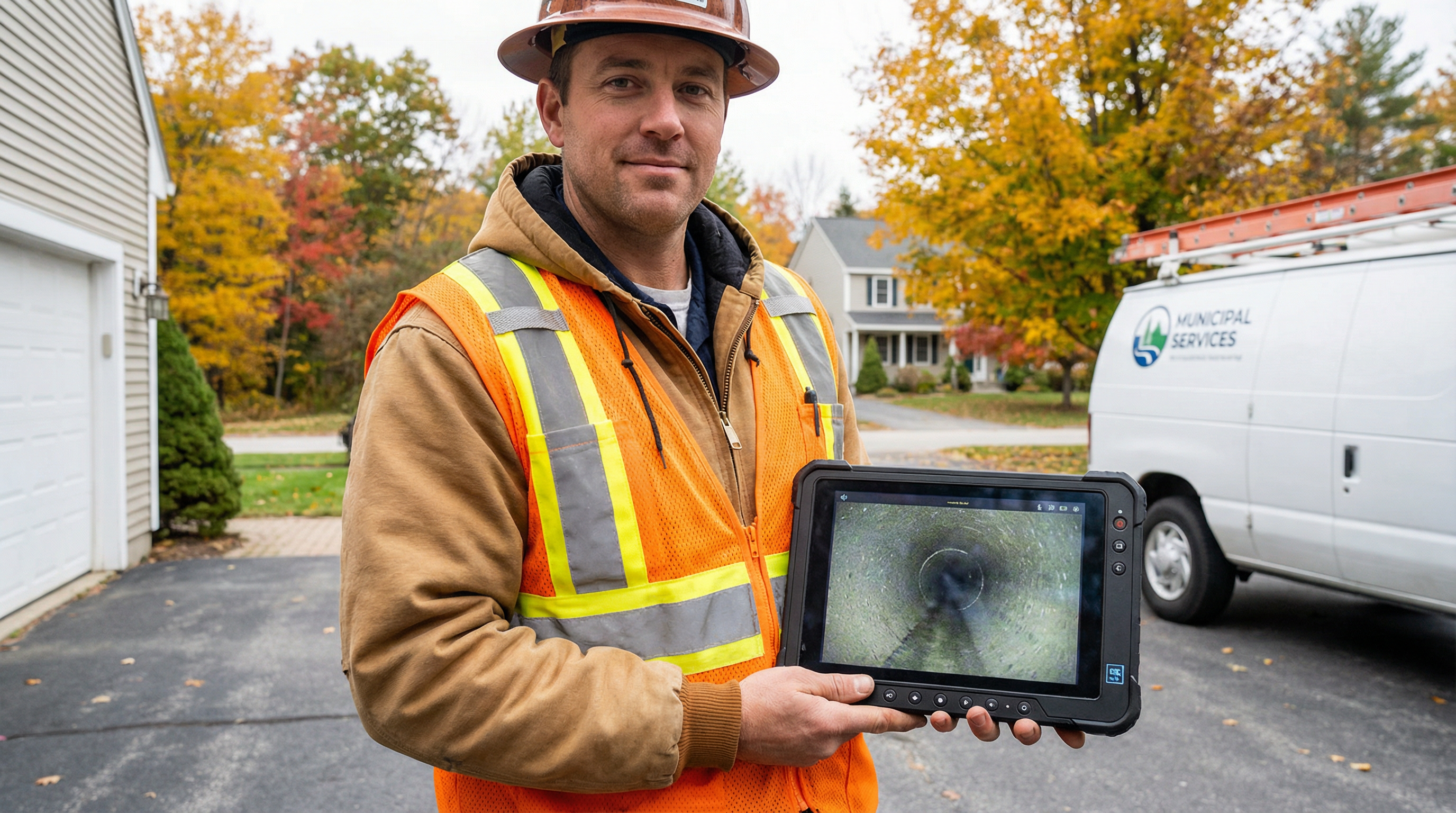
A professional camera inspection is the single most valuable maintenance step you can take. For $200–$300, a technician inserts a high-definition camera into your sewer lateral and records a complete video of the pipe's interior condition. This reveals root intrusion, cracks, joint separations, pipe deformation, and any blockages — all before they cause a backup or failure.
If you haven't had a camera inspection in the past 3–5 years, spring is the time. If your home has clay tile, Orangeburg, or cast iron pipes from before 1980, annual spring inspections are a wise investment.
3. Clear Roots and Debris
If the camera inspection reveals root intrusion or buildup, hydro jetting is the most effective cleaning method. High-pressure water (3,000–4,000 PSI) scours the pipe interior clean of roots, grease, scale, and debris — far more thoroughly than mechanical snaking. Jetting after winter is especially important because root growth accelerates dramatically in spring.
4. Address Any Structural Issues
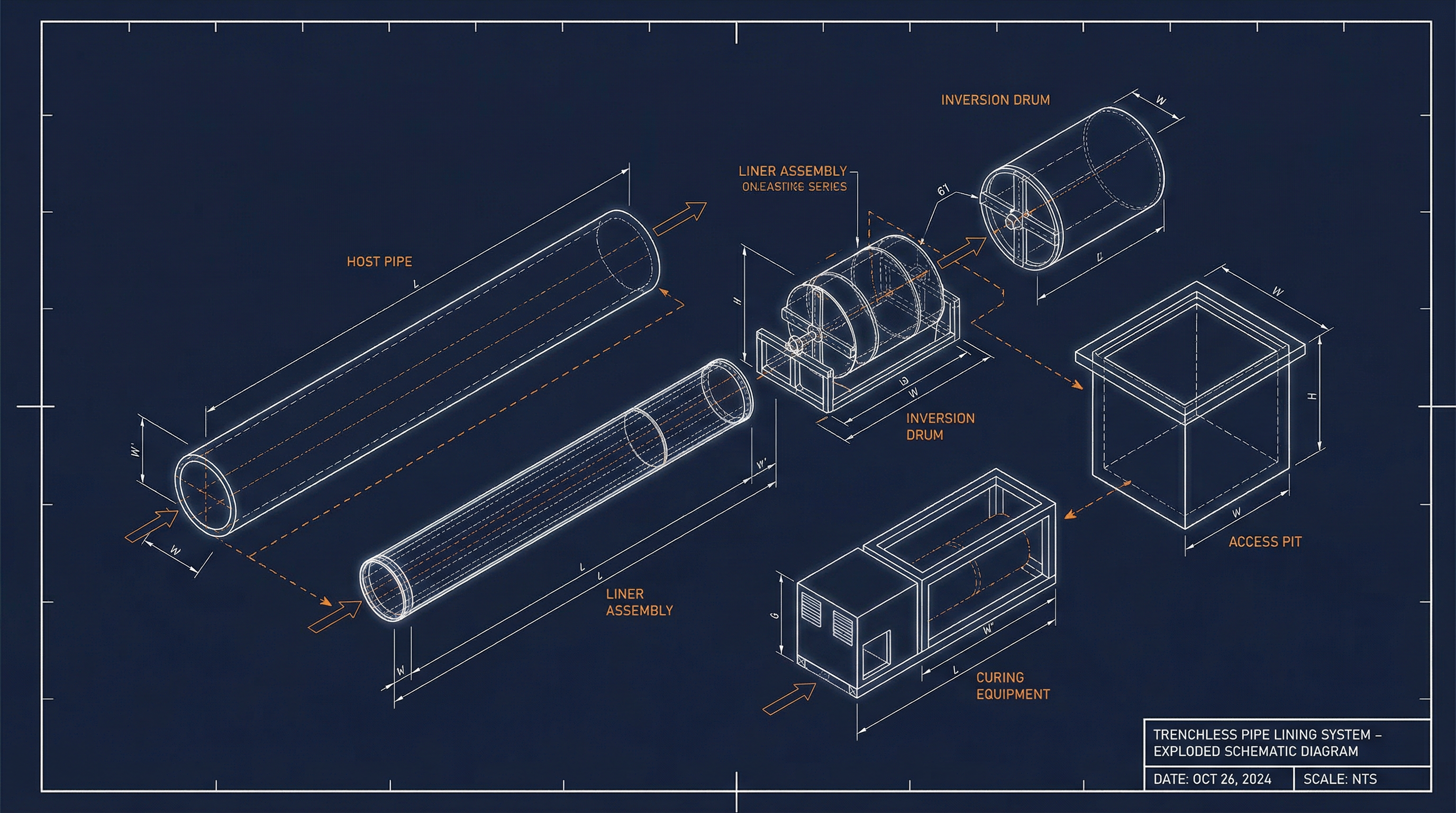
If the inspection reveals cracks, joint separations, or early-stage pipe deterioration, spring is the time to address them — before roots exploit the openings during the growing season. Trenchless pipe lining can seal all cracks and joints in a single day, creating a seamless new pipe inside the old one with a 50-year warranty.
The Cost of Waiting
A spring camera inspection costs $200–$300. Hydro jetting to clear roots and debris runs $350–$600. Trenchless pipe lining for a residential lateral is $4,500–$9,000. Compare that to the cost of an emergency sewer backup in July: $500–$1,000 for emergency service, $15,000–$30,000 for emergency excavation, plus thousands more in water damage cleanup, landscaping restoration, and temporary housing. The math is clear — spring maintenance is the most cost-effective investment you can make in your home's sewer infrastructure.
Serving Maine Communities
Schedule your spring sewer inspection before the busy season:
Portland's spring thaw reveals winter damage in the city's aging sewer lines
Saco homeowners should schedule spring inspections before summer demand peaks
Bangor's harsh winters make spring sewer inspections especially important
Brunswick's freeze-thaw cycles stress older pipe joints every spring