If you're buying a home in Maine — or dealing with a plumbing problem in your current one — one of the most important things to understand is whether your home is connected to a municipal sewer system or uses a private septic system. Nearly 48% of Maine homes rely on septic systems, one of the highest rates in the country. The distinction affects everything from maintenance costs to repair options to property value.
Municipal Sewer vs. Private Septic: The Basics
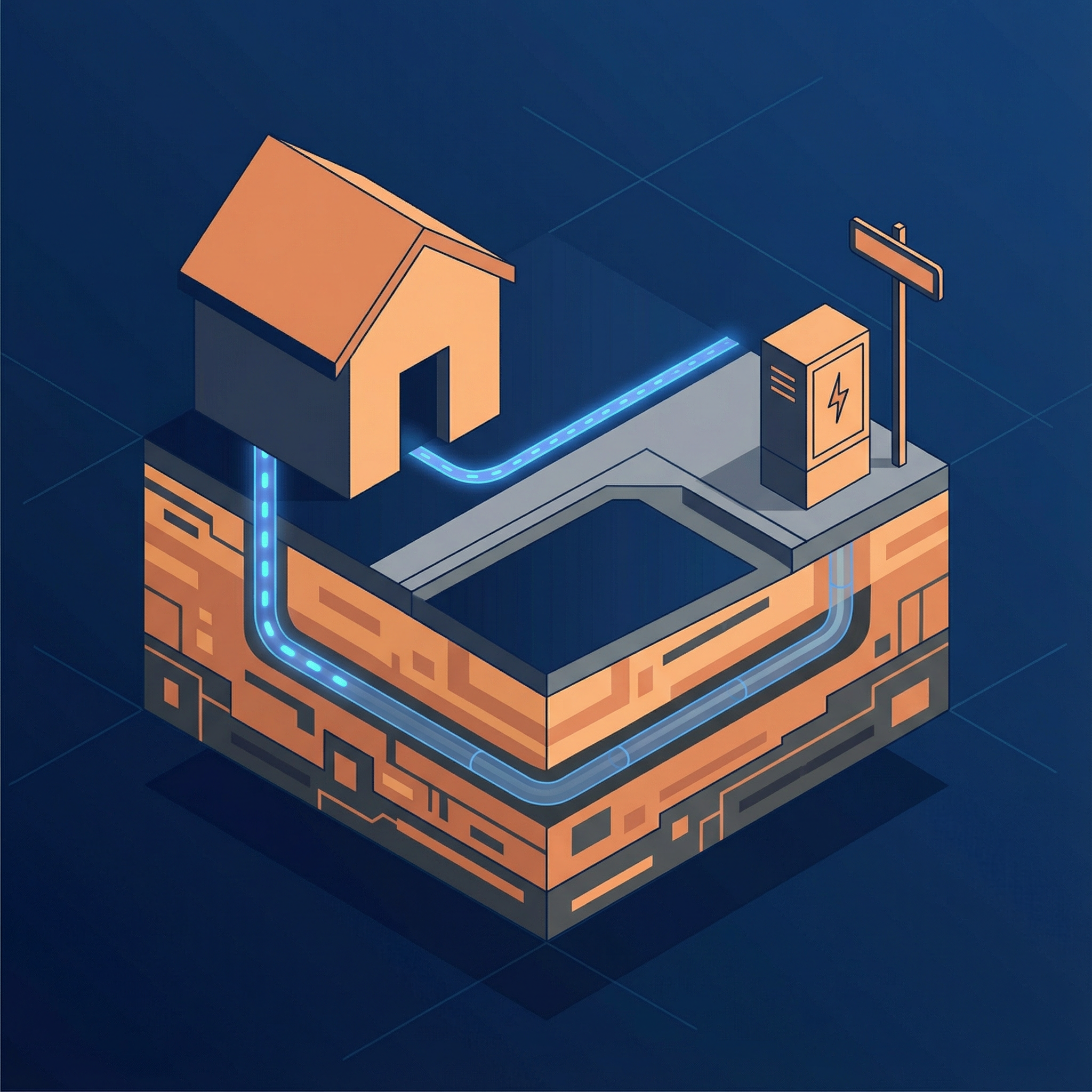
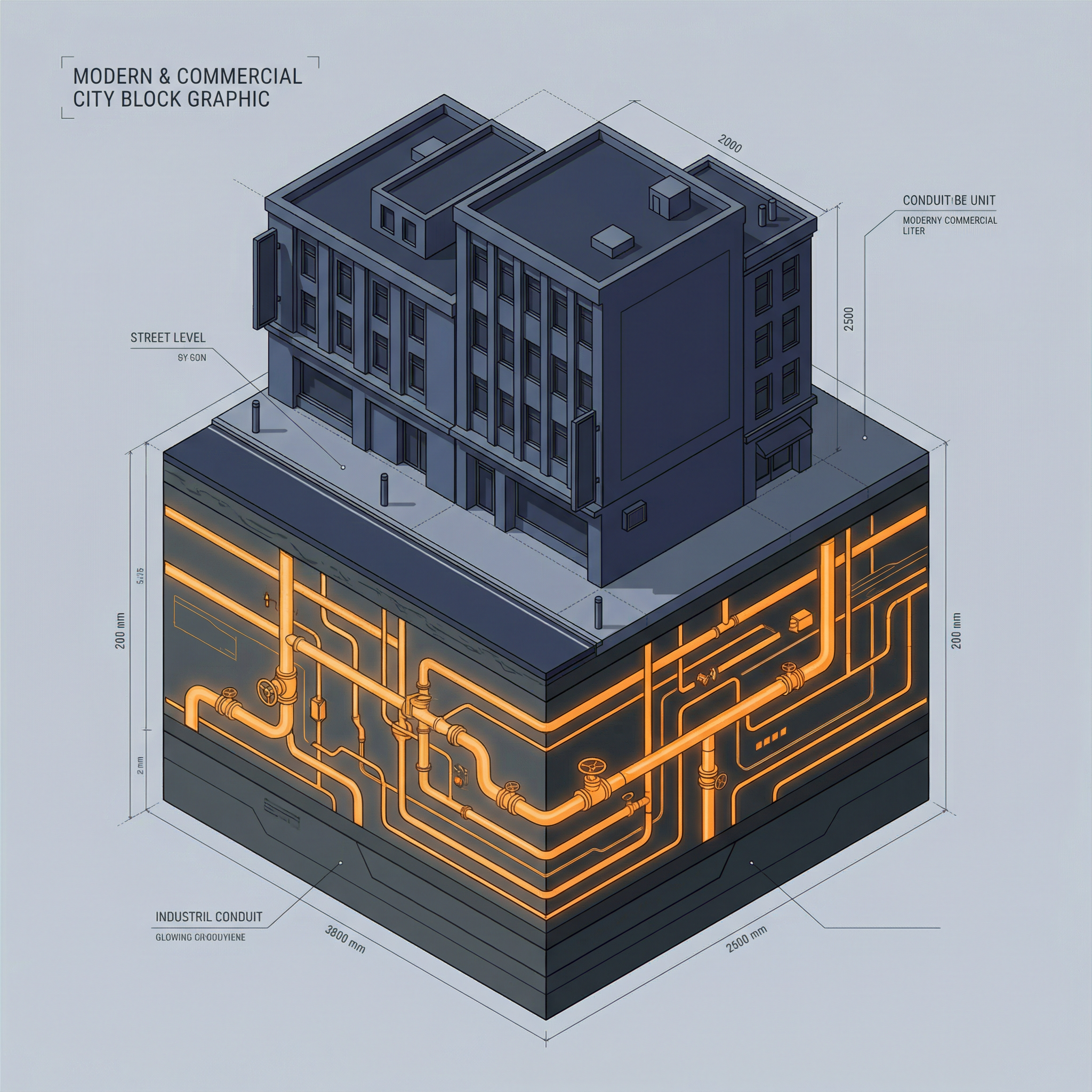
A municipal sewer system collects wastewater from your home through a lateral pipe that connects to the town's main sewer line. The town treats the wastewater at a central facility, and you pay a quarterly sewer fee — typically $150–$400 per quarter in Maine municipalities. You're responsible for maintaining the lateral from your home to the town's main line, usually 30–80 feet.
A septic system is entirely private. Wastewater flows from your home into a buried septic tank where solids settle and bacteria break down organic matter. Liquid effluent then flows into a drain field (also called a leach field) where it percolates through the soil for natural filtration. You own and maintain the entire system — tank, distribution box, and drain field.
Maintenance Requirements: Sewer vs. Septic
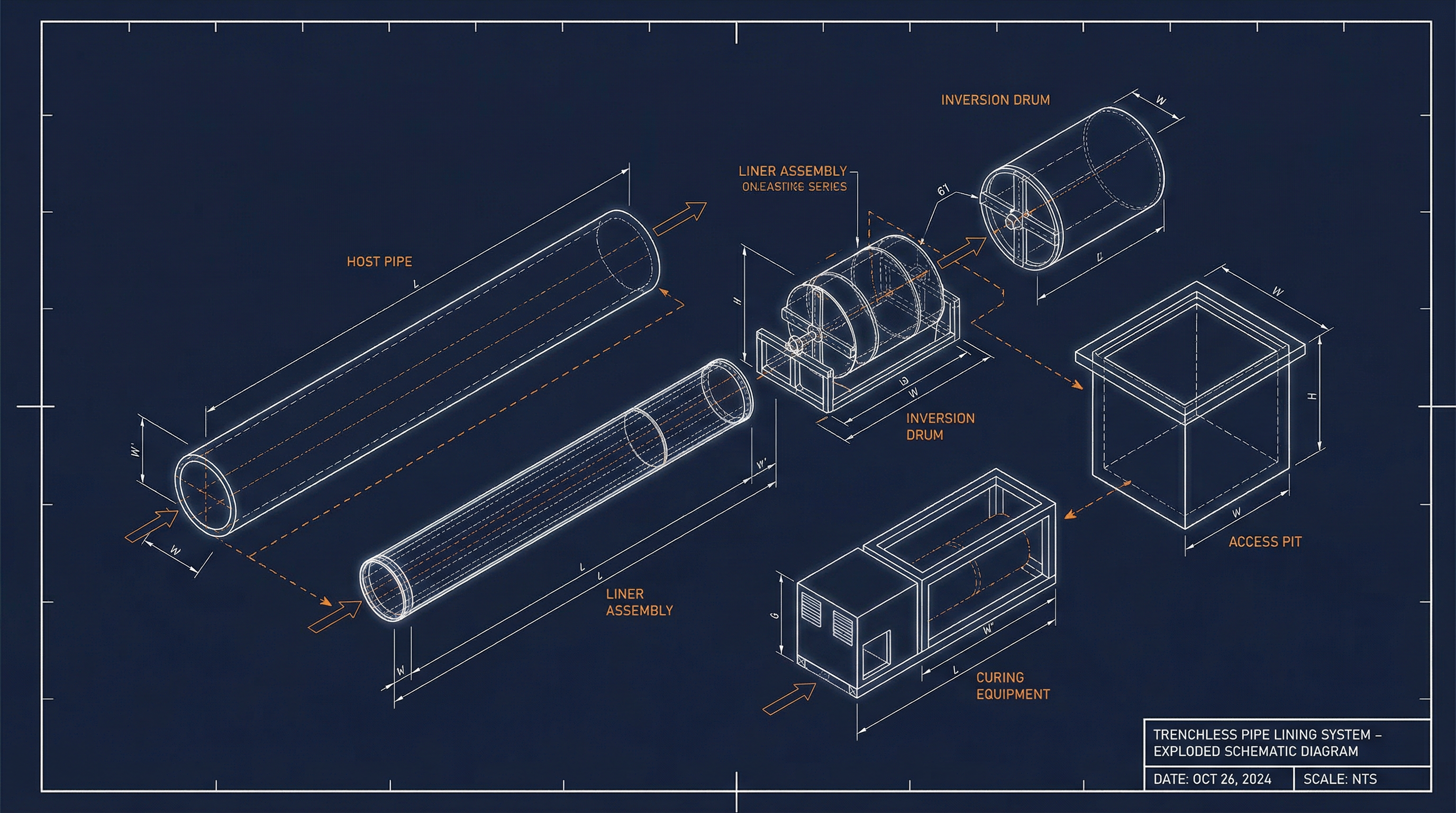
Municipal sewer laterals require relatively little routine maintenance. A camera inspection every 5–10 years is recommended, especially for homes with older clay tile or cast iron pipes. If root intrusion or pipe deterioration is found, trenchless pipe lining can restore the lateral without excavation.
Septic systems require more active maintenance. The tank should be pumped every 3–5 years ($300–$500 per pumping in Maine). The drain field should be inspected periodically, and you need to be mindful of water usage — overloading a septic system can cause drain field failure, which is a $15,000–$30,000 repair.
Common Problems for Each System in Maine
- Sewer laterals: Root intrusion from Maine's mature trees, frozen pipes during harsh winters, aging clay tile or Orangeburg pipe deterioration, and ground shifting from freeze-thaw cycles
- Septic tanks: Sludge buildup from infrequent pumping, inlet/outlet baffle failure, tank cracks from frost heave, and root intrusion into tank seams
- Drain fields: Soil saturation from Maine's heavy spring rains, biomat buildup reducing percolation, root intrusion from nearby trees, and compaction from vehicles or heavy equipment
Repair Options and Costs
For sewer lateral problems, trenchless pipe lining is typically the most cost-effective solution — $4,500–$9,000 for a complete residential lateral, with a 50-year warranty and no excavation. Traditional excavation and replacement runs $12,000–$28,000 when you include landscaping restoration.
For septic system problems, costs vary widely. A simple tank pump-out is $300–$500. Tank replacement runs $3,000–$7,000. A complete drain field replacement — the most expensive septic repair — costs $15,000–$30,000 in Maine, depending on soil conditions and system size. Some Maine towns offer sewer connection programs for homes near existing sewer mains, which can be a long-term alternative to repeated septic repairs.
Serving Maine Communities
Whether you're on sewer or septic, Trenchless Maine serves your area:
Scarborough has a mix of municipal sewer and septic systems across its neighborhoods
Many Yarmouth homes outside the village center rely on septic systems
Falmouth's rural areas commonly use septic while Falmouth Foreside has municipal sewer
Auburn homebuyers should verify sewer vs. septic before closing
What to Check Before Buying a Maine Home
- Ask whether the home is on sewer or septic — the listing should specify, but verify independently
- For sewer homes: request a camera inspection of the lateral before closing ($200–$300)
- For septic homes: request a septic inspection including tank pump-out and drain field evaluation ($500–$800)
- Check the age of the system — clay tile sewer laterals and septic systems from the 1950s–1970s are approaching or past their design lifespan
- Ask for maintenance records — regular septic pumping receipts are a good sign; no records are a red flag